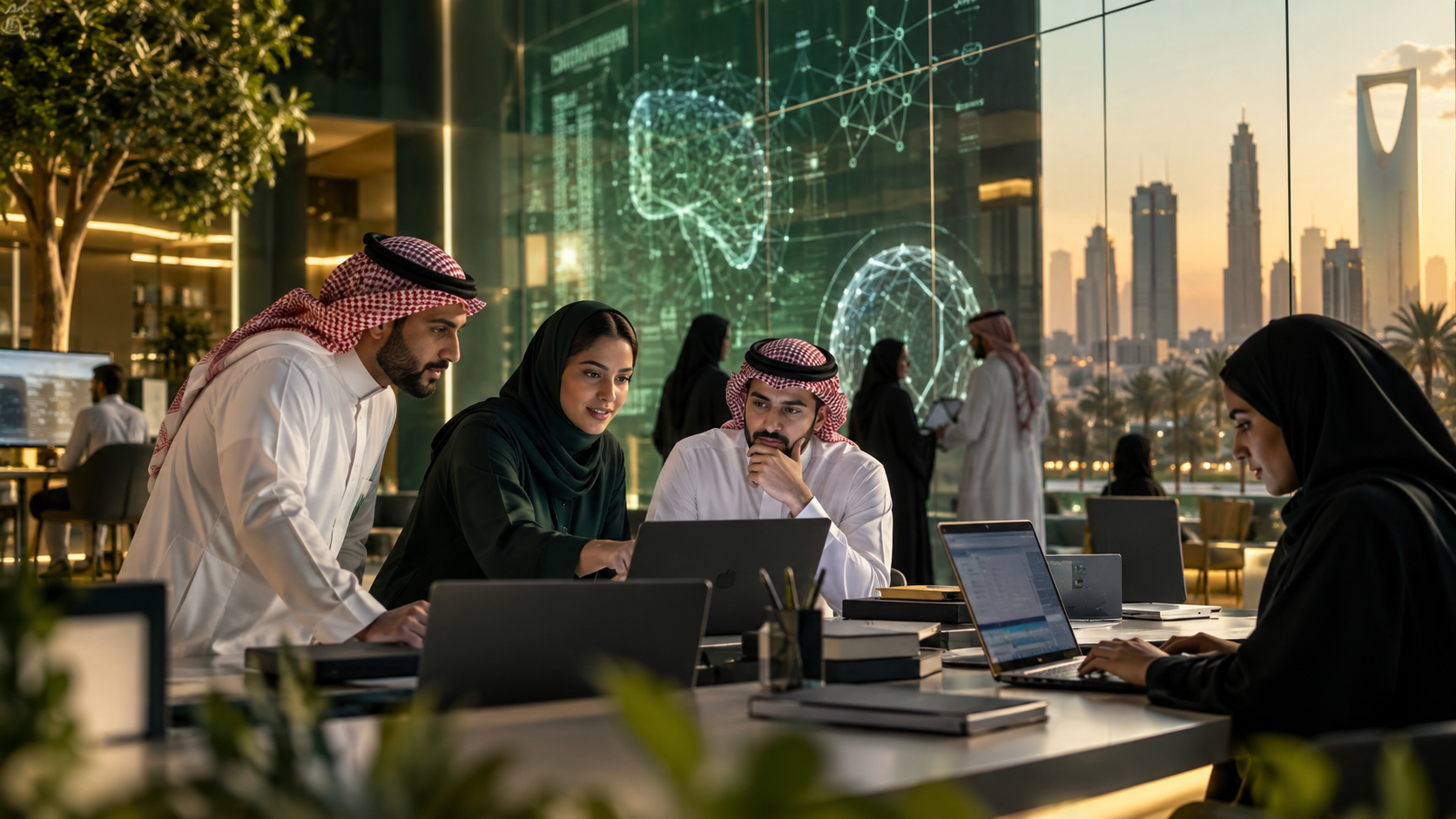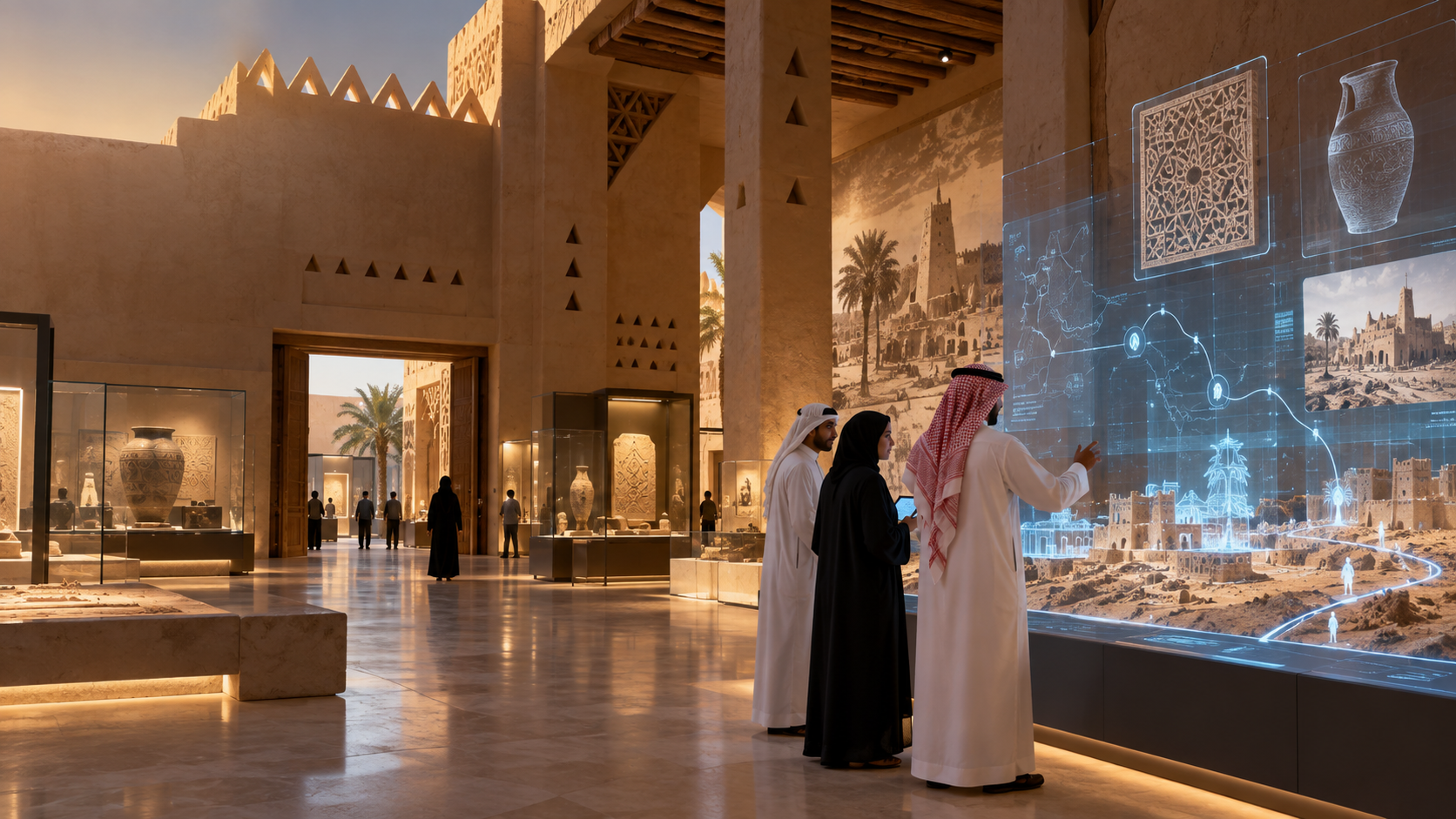
Saudi Arabia’s Museums Commission has explored the use of artificial intelligence and related technologies to strengthen cultural storytelling and improve visitor experiences. The discussion took place during a virtual meeting that brought together museum specialists and professionals, with Al-Masmak Palace used as a model for considering how technology can serve a historical narrative.
According to the Saudi Press Agency, participants examined ways to revive historical stories through digital experiences. The technologies discussed included artificial intelligence, virtual reality, augmented reality and three-dimensional modelling. The emphasis was not on technology as an attraction by itself, but on selecting tools that fit the content and help audiences engage more deeply with the history being presented.
That distinction is important for museums. A digital layer can add context, guide visitors through a site, or make relationships between people, places and events easier to understand. It can also create new routes into collections for audiences who cannot visit in person. At the same time, cultural institutions must keep interpretation accurate, preserve provenance, and ensure that new interfaces do not overpower the objects and stories they are meant to support.
The Al-Masmak discussion signals a broader direction in Saudi Arabia’s digital transformation: the application of AI beyond infrastructure, finance and government administration. Cultural institutions are also becoming test environments for responsible experimentation, particularly where technology can make heritage more accessible without replacing expert judgement.
For the Museums Commission, the practical question will be how these ideas move from discussion into carefully scoped projects. Potential next steps include testing visitor pathways, developing spatial or archival models, and evaluating whether AI-assisted experiences improve understanding rather than simply increasing novelty. Any deployment will require clear editorial oversight, transparent use of generated content, and respect for the cultural context of the material.
The meeting did not announce a specific commercial product or a national deployment programme. Its importance is therefore exploratory: it places AI, immersive technology and three-dimensional modelling inside the conversation about Saudi museum development. As the Kingdom builds new cultural destinations and expands its visitor economy, the quality of that digital layer may become an important part of how its history is experienced and understood.